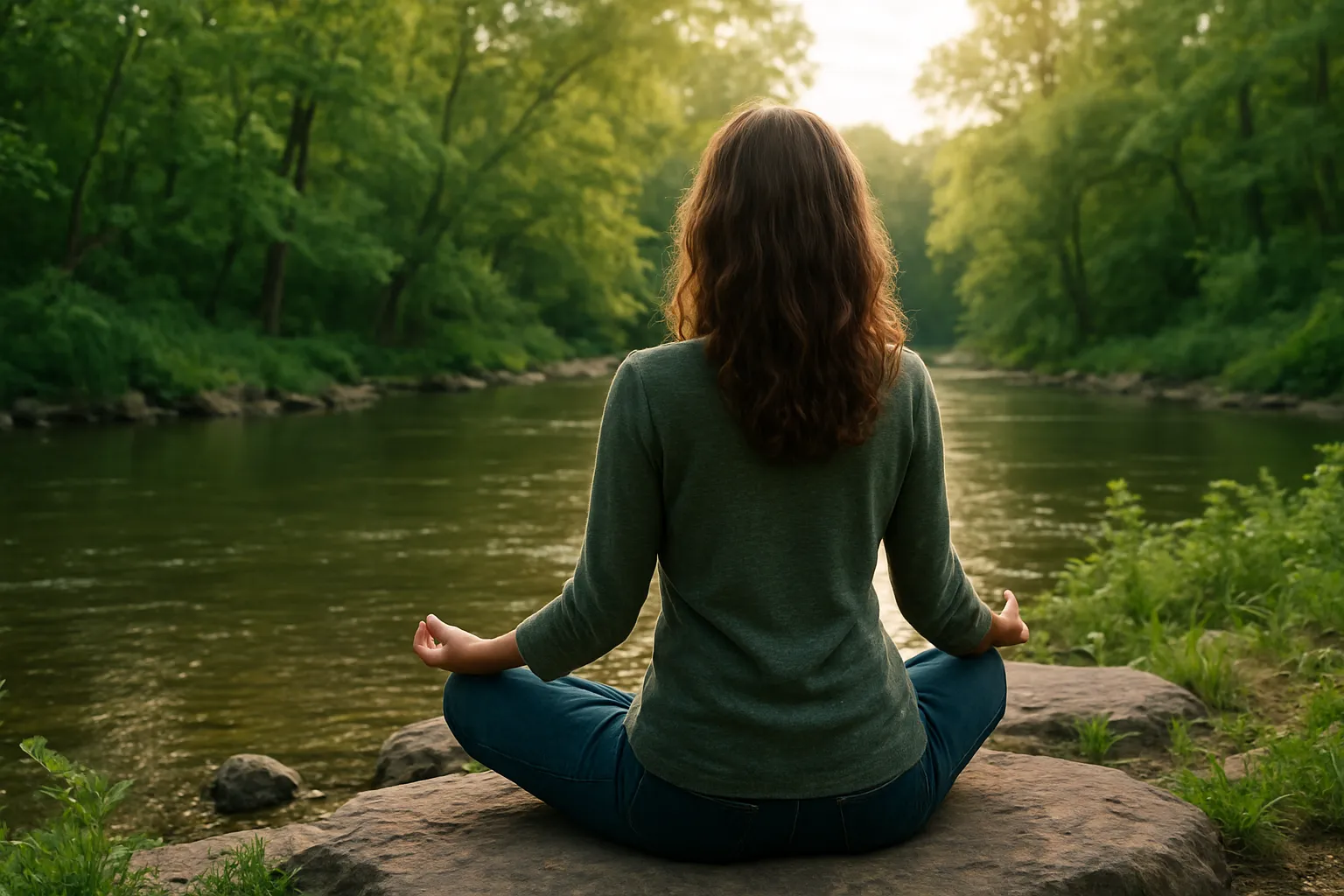
Recovery is not simply about stopping substance use or managing symptoms of a mental health condition. It is about learning how to live differently, respond to stress in healthier ways, reconnect with your values, and build a life that feels meaningful. Professional addiction treatment and mental health care provide the clinical foundation for that work, while holistic approaches can help address the emotional, physical, and spiritual needs that influence long term wellness. Nature therapy offers a powerful way to support this process. Time spent intentionally outdoors can create room for reflection, reduce stress, encourage healthy habits, and help people reconnect with themselves.
For individuals receiving addiction recovery or mental health treatment, nature therapy can complement counseling, behavioral therapies, medical support, and other individualized services. It is not a replacement for professional care. Instead, it can become another practical tool for developing resilience and strengthening the skills needed for lasting recovery.
Understanding Nature Therapy in Recovery
Nature therapy, sometimes called nature based therapy or ecotherapy, involves intentional experiences in natural environments that support emotional and psychological well being. The approach can take many forms depending on a person’s treatment goals and abilities.
Common Nature Therapy Activities
Nature based activities may include:
- Guided walks through wooded or natural areas
- Mindful breathing outdoors
- Meditation and quiet reflection
- Journaling in a peaceful setting
- Outdoor group activities
- Gardening or nature based projects
- Sensory awareness exercises
- Gentle physical activity
The purpose is not simply to enjoy the scenery. Instead, outdoor experiences can be structured to encourage mindfulness, emotional awareness, stress management, and healthier coping.
This makes nature therapy especially relevant to holistic addiction recovery, where the goal is to help individuals develop skills they can continue using after formal treatment ends.
How Nature Therapy Supports Addiction Recovery
Addiction can affect nearly every area of a person’s life. Substance use may become connected to stress, emotional pain, isolation, unhealthy routines, or difficult relationships. Recovery requires more than identifying these patterns. Individuals also need healthy alternatives for handling the situations that once contributed to substance use.
Nature can provide a practical setting for practicing those alternatives.
Managing Stress and Cravings
Stress is a common recovery challenge. When someone feels overwhelmed, old coping patterns may seem familiar and tempting. Learning to pause before reacting is therefore an important recovery skill.
An outdoor walk can create that pause. Instead of immediately responding to stress, a person can step outside, slow their breathing, notice their surroundings, and give themselves time to identify what they are experiencing.
This does not mean nature therapy will eliminate cravings. Rather, it can provide another healthy strategy for managing difficult moments while professional treatment addresses the underlying causes of addiction.
Building Healthy Routines
Long term recovery depends heavily on daily choices. A person who has spent years organizing life around substance use may need to develop entirely new routines.
Outdoor activities can help fill that space with healthy behaviors. A morning walk, weekend hike, gardening activity, or regular time in a local green space can provide structure and encourage physical activity.
Over time, these small habits can become part of a lifestyle that supports recovery.
Strengthening Mental Wellness Through Nature
Addiction and mental health concerns frequently overlap. Anxiety, depression, trauma, and chronic stress can affect substance use, while addiction can make mental health symptoms more difficult to manage.
Comprehensive treatment addresses these concerns together. Nature therapy can complement that work by creating opportunities for calm, awareness, and emotional regulation.
Reducing Everyday Stress
Natural environments can provide a break from constant noise and stimulation. Spending time outdoors may help people slow down physically and mentally.
For someone who feels overwhelmed by responsibilities or anxious thoughts, even a short period of intentional outdoor time can provide an opportunity to breathe and reset.
Supporting Emotional Regulation
Recovery involves learning how to experience difficult emotions without immediately acting on them.
Nature offers a setting for practicing this skill. Someone may notice sadness, frustration, anxiety, or anger while walking outdoors. Rather than judging the emotion or trying to escape it, they can observe it, breathe through it, and consider an appropriate response.
With repetition, this process can strengthen emotional awareness and self regulation.
Encouraging Mental Clarity
When the mind is constantly occupied by worry, cravings, or negative thoughts, making thoughtful decisions can become difficult.
Quiet time outdoors can encourage focused attention. Looking at trees, listening to natural sounds, or simply walking without digital distractions can help shift attention toward the present moment.
That sense of mental space can make it easier to reflect on treatment goals and identify practical next steps.
Healing the Mind, Body, and Spirit
A holistic approach to recovery recognizes that wellness involves more than psychological symptoms. Physical health, emotional stability, relationships, personal values, and spirituality can all influence the recovery process.
Nature therapy naturally supports this whole person perspective.
Supporting Physical Wellness
Outdoor activities can encourage movement, fresh air, and healthier routines. Walking and other forms of gentle activity can also support mood and overall physical well being.
For individuals in recovery, rebuilding a positive relationship with the body can be an important part of healing.
Creating Space for Spiritual Reflection
For people who value faith, nature can provide a peaceful environment for prayer, gratitude, and spiritual reflection.
Quiet surroundings may make it easier to step away from distractions and consider questions about purpose, forgiveness, identity, and hope. These reflections can complement faith based treatment and individualized recovery goals.
Reconnecting With Purpose
Addiction can gradually narrow a person’s world. Recovery creates an opportunity to rediscover interests, relationships, responsibilities, and values that may have been neglected.
Nature provides space to think about the future without the immediate distractions of everyday life. A simple walk can become an opportunity to consider what kind of life a person wants to build after treatment.
Nature Therapy During Inpatient and Outpatient Care
Nature based approaches can complement different levels of addiction and mental health treatment.
Inpatient Treatment
For people receiving inpatient care, structured outdoor experiences can offer a healthy change of environment while maintaining therapeutic support.
A guided nature activity can reinforce lessons from counseling by giving clients an opportunity to practice mindfulness, communication, stress management, and emotional regulation in a different setting.
Outpatient Treatment
Outpatient care allows individuals to apply recovery skills while returning to work, family responsibilities, and community life.
Nature therapy can be particularly practical at this stage because outdoor activities can often continue outside scheduled treatment. A person might use a walk after a stressful day, practice mindful breathing in a park, or spend quiet time outdoors before making an important decision.
Practical Ways to Use Nature Therapy in Recovery
You do not need an elaborate wilderness experience to benefit from intentional time outdoors.
Start With Ten Minutes
If you are new to nature based wellness, begin with a short walk or quiet period outside. Focus on being present rather than reaching a specific distance.
Use Your Senses
Notice five things you can see, four things you can feel, three things you can hear, and other details around you. Sensory awareness can help bring attention back to the present.
Leave Technology Behind
Whenever appropriate, put your phone away during your outdoor time. Reducing digital distractions can make it easier to focus on your thoughts and surroundings.
Combine Nature With Journaling
After spending time outdoors, write about what you noticed, how you felt, and what you need at that moment. Over time, these reflections can reveal patterns and progress.
Make Outdoor Time Consistent
Recovery is strengthened through repetition. Adding a manageable outdoor activity to your weekly routine can turn nature therapy into a sustainable wellness practice.
Nature Therapy Is Part of a Larger Recovery Plan
Nature can be restorative, but it should not be presented as a cure for addiction or mental illness. Individuals dealing with substance use or significant mental health concerns deserve professional assessment and appropriate treatment.
Nature therapy is most valuable when it complements a comprehensive recovery plan. Counseling, behavioral treatment, medical care when appropriate, peer support, family involvement, spiritual support, and aftercare can all play important roles.
An individualized approach also matters because every person responds differently to treatment. What helps one client feel grounded may not be the right fit for another. The most effective recovery plans consider each person’s history, needs, strengths, preferences, and goals.
Conclusion: Let Nature Become Part of Your Healing Journey
Nature therapy can offer something valuable during recovery: space to slow down, breathe, reflect, and practice healthier ways of responding to life’s challenges. By supporting stress management, emotional regulation, physical activity, mindfulness, and personal reflection, outdoor experiences can complement professional addiction recovery and mental health treatment.
Most importantly, nature can remind people that growth takes time. Recovery does not require perfection. It requires continued movement toward healthier choices, stronger relationships, greater self awareness, and renewed purpose.
If you or someone you love is struggling with addiction or a mental health challenge, professional support can provide the guidance needed to begin healing. An individualized, holistic approach can address the person as a whole while incorporating healthy practices that support lasting wellness. Taking the first step may feel difficult, but it can also be the beginning of a very different future. Reach out for compassionate support and explore how nature therapy and comprehensive treatment can become part of your path toward recovery.
