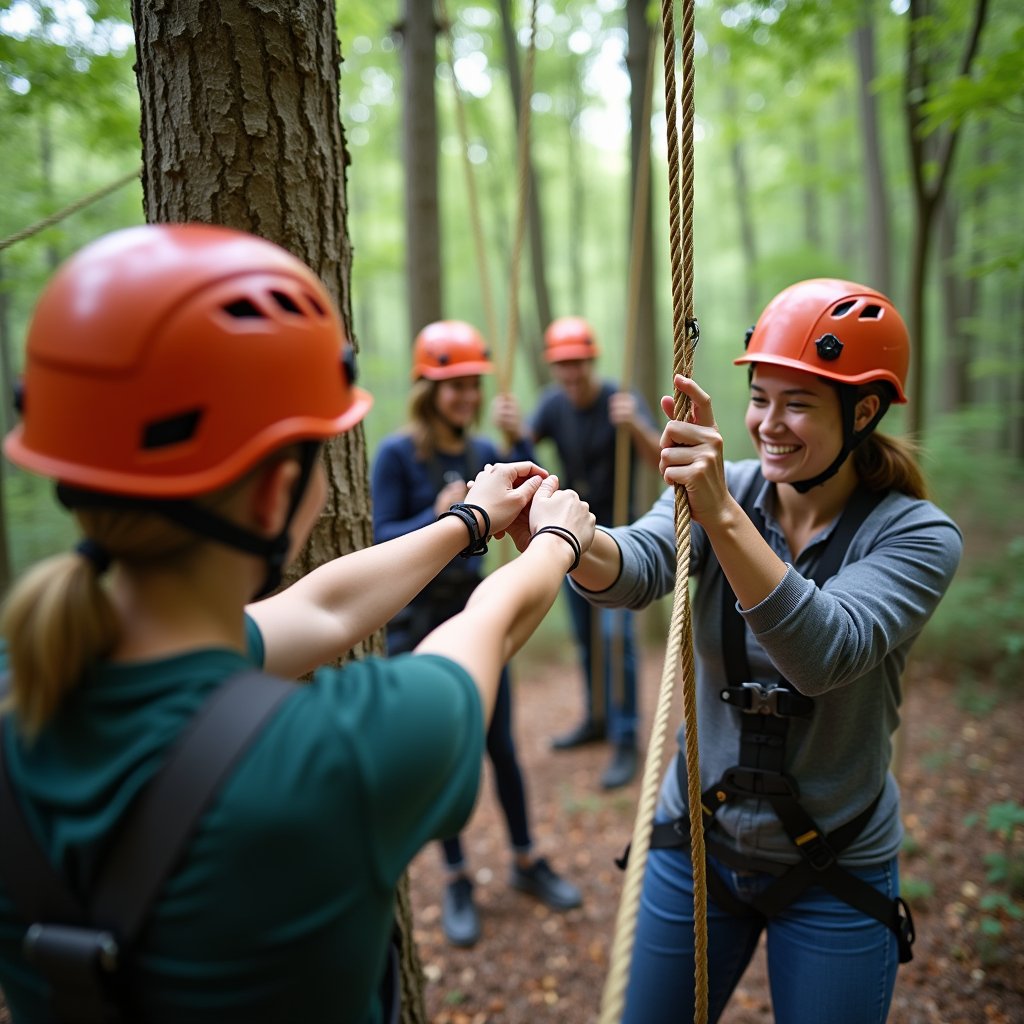
Recovery is a process of rebuilding balance. For someone facing addiction, anxiety, depression, trauma, or other mental health challenges, that balance can feel difficult to find. Professional treatment provides the structure and clinical support needed for meaningful change, while holistic approaches can help individuals reconnect with the physical, emotional, and spiritual parts of themselves. Outdoor therapy offers another valuable dimension of care. By intentionally spending time in natural environments, people in recovery can practice mindfulness, manage stress, strengthen healthy coping skills, and create space for personal reflection.
Nature therapy is not a substitute for addiction treatment or mental health care. Instead, it can complement individualized treatment by giving clients practical ways to apply what they learn in therapy. For people working toward long term recovery, the outdoors can become a peaceful setting for developing resilience, restoring confidence, and discovering healthier ways to navigate everyday challenges.
Understanding Outdoor Therapy and Recovery
Outdoor therapy, often referred to as nature therapy or ecotherapy, involves purposeful activities in natural environments that support emotional and psychological wellness. It can be incorporated into a broader treatment plan according to a person’s needs, comfort level, and recovery goals.
What Can Outdoor Therapy Include?
Nature based therapeutic activities may involve:
- Guided walks in natural surroundings
- Mindfulness and breathing exercises
- Outdoor meditation
- Reflective journaling
- Group activities
- Gardening and nature based projects
- Gentle physical activity
- Quiet periods for personal reflection
The goal is not simply to get outside. Instead, the outdoor environment becomes a setting where individuals can practice skills such as emotional regulation, stress management, present moment awareness, and healthy communication.
For someone in addiction recovery, these skills can become important tools for managing triggers and responding to challenges without returning to substance use.
How Nature Can Support Addiction Recovery
Addiction affects more than substance use. It can influence relationships, physical health, emotional stability, decision making, and a person’s sense of purpose. Recovery therefore requires a comprehensive approach that addresses the reasons behind unhealthy patterns while helping individuals develop healthier alternatives.
Outdoor therapy can support this process in several practical ways.
Managing Stress and Cravings
Stress is a common challenge during addiction recovery. Work responsibilities, relationship problems, financial concerns, difficult memories, and everyday frustrations can all contribute to emotional pressure.
Spending intentional time outdoors can provide an opportunity to slow down before stress becomes overwhelming. A mindful walk, for example, allows someone to focus on breathing and surroundings while creating distance from an immediate source of tension.
This does not mean a walk will eliminate a craving. Rather, it provides another healthy coping option. Individuals can learn to recognize what they are feeling, create a pause, and choose a constructive response.
Replacing Unhealthy Habits With Healthy Activities
Long term recovery often involves changing routines that were connected to substance use.
Outdoor activities can help fill that space with positive experiences. Walking, gardening, hiking, or simply sitting in a peaceful outdoor setting can become part of a healthier daily routine.
Small changes matter. A consistent morning walk or scheduled outdoor activity can provide structure while encouraging movement, reflection, and personal responsibility.
Supporting Mental Wellness Through Nature
Addiction and mental health concerns frequently occur together. Anxiety, depression, trauma, and chronic stress can make recovery more complicated, while substance use can intensify emotional and psychological difficulties.
That is why treating the whole person is so important.
Reducing Mental Overload
Modern life provides constant stimulation. Phones, social media, work demands, news, and other distractions can make it difficult to experience genuine quiet.
Natural environments can offer a welcome change of pace. Walking among trees or sitting in a peaceful outdoor space gives the mind an opportunity to focus on fewer stimuli.
For individuals who feel overwhelmed, this quieter environment can make it easier to breathe, reflect, and reconnect with the present moment.
Practicing Emotional Regulation
Emotional regulation is an important recovery skill. It involves recognizing emotions without allowing them to control behavior.
Nature can provide an effective setting for practicing this skill. A person may notice anxiety while walking outdoors, for example. Instead of immediately reacting, they can slow their breathing, identify the emotion, observe their surroundings, and consider what response would best support their recovery.
With repeated practice, these skills can become more familiar and accessible.
Encouraging Mindfulness
Mindfulness means paying attention to the present moment with greater awareness and less judgment.
Nature provides countless opportunities to practice mindfulness. Notice the sound of leaves moving in the wind. Pay attention to your breathing. Observe the texture of a tree trunk or the changing light around you.
These simple exercises can help shift attention away from rumination about the past or worry about the future.
Outdoor Therapy Can Strengthen Physical Wellness
Holistic recovery considers the connection between mental and physical health. Outdoor activities can encourage movement and healthier routines while providing an opportunity to reconnect with the body.
Making Movement More Accessible
Exercise does not have to involve a demanding workout. A gentle walk through a park can provide physical activity while also supporting emotional wellness.
For people rebuilding their routines during recovery, enjoyable outdoor movement may feel more sustainable than activities that seem overly demanding.
Supporting Healthy Daily Rhythms
Recovery often benefits from consistent routines involving sleep, activity, meals, treatment, and relaxation.
Regular outdoor time can become one component of that structure. Spending time outside during the day can also encourage individuals to establish healthier patterns around activity and rest.
Nature Therapy and Holistic Recovery
Holistic addiction recovery recognizes that lasting healing involves the mind, body, and spirit. Clinical treatment addresses the medical and psychological aspects of addiction, while holistic practices can provide additional ways to support overall wellness.
Creating Space for Reflection
Quiet outdoor environments give individuals room to consider their experiences without the distractions of everyday life.
Journaling after a nature walk can be particularly useful. Someone might write about current challenges, recovery goals, relationships they want to rebuild, or personal strengths they have discovered during treatment.
Supporting Faith and Spiritual Wellness
For individuals who value faith, time in nature can also create opportunities for prayer, gratitude, and spiritual reflection.
A peaceful outdoor setting may encourage people to consider questions of purpose, forgiveness, hope, and personal growth. These experiences can complement a faith based recovery approach while respecting each person’s beliefs and values.
Using Outdoor Therapy During Inpatient and Outpatient Care
Outdoor therapy can complement different stages of professional treatment.
Inpatient Recovery
Individuals participating in inpatient treatment often benefit from structured activities that allow them to practice therapeutic skills outside traditional counseling environments.
Guided outdoor experiences can encourage communication, mindfulness, emotional regulation, and healthy recreation while clients remain connected to professional support.
Outpatient Treatment
Outpatient care gives individuals an opportunity to apply recovery skills while managing everyday responsibilities.
Nature therapy can be especially practical during this stage. A person might take a walk after a difficult day, spend time outside before responding to a stressful situation, or use mindful breathing in a local park.
These simple practices can reinforce the coping strategies learned through treatment.
Practical Ways to Bring Nature Into Your Recovery
You do not need to live near a remote wilderness area to benefit from outdoor therapy.
Start With a Short Walk
Begin with ten or fifteen minutes in a park, garden, or other comfortable outdoor setting. Focus on being present rather than achieving a particular distance.
Practice the Five Senses
Pause and identify what you can see, hear, smell, feel, and notice around you. Sensory awareness is a simple grounding technique that can help bring attention back to the present.
Create a Technology Free Period
Whenever possible, put your phone aside during outdoor time. Reducing digital distractions can make it easier to focus on your surroundings and your internal experience.
Keep a Recovery Journal
Write down what you noticed during your outdoor experience. Include emotions, thoughts, challenges, accomplishments, and things you appreciate.
Make It Part of Your Routine
Consistency is more important than intensity. A manageable outdoor practice that you can maintain is often more useful than an ambitious activity that quickly becomes difficult to continue.
Finding the Right Balance for Your Recovery
Every person’s recovery journey is different. Some individuals may find peace through quiet walks, while others may benefit from group activities, gardening, or structured outdoor exercises.
Outdoor therapy should therefore be approached as part of an individualized treatment plan. Professional addiction recovery services and mental health treatment remain essential, particularly for people experiencing significant substance use or co occurring mental health concerns.
The most effective approach considers the individual as a whole. Treatment can address underlying concerns while complementary practices help build practical skills for everyday wellness.
Conclusion: Take the Next Step Toward Greater Balance
Finding balance during recovery does not happen overnight. It develops through consistent choices, supportive relationships, professional guidance, and healthy ways of responding to life’s challenges. Outdoor therapy can be one of those healthy tools.
By creating opportunities for mindfulness, movement, reflection, stress management, and spiritual connection, nature can complement addiction recovery and mental health treatment in meaningful ways. More importantly, it can help individuals recognize that healing involves building a life they genuinely want to live.
If you or someone you love is struggling with addiction or mental health challenges, reaching out for professional support is an important first step. With individualized care, holistic treatment, and compassionate guidance, recovery can become more than a goal. It can become a sustainable way of life. Consider taking that first step today and discovering how comprehensive treatment and healthy experiences in nature can help you move toward greater balance, resilience, and renewed hope.
