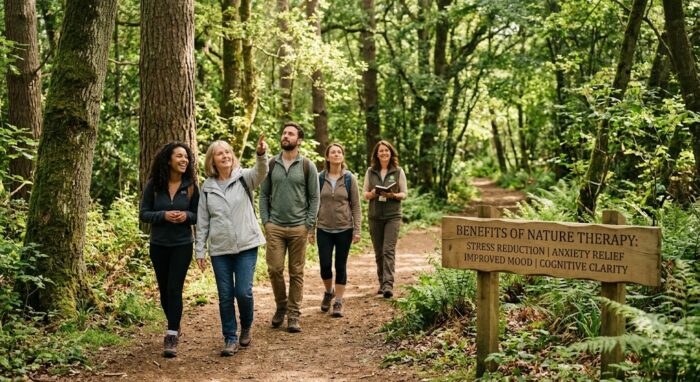
Mental health recovery is about more than managing symptoms. It is about creating a life that feels balanced, purposeful, and emotionally healthy. While evidence-based therapies such as counseling, medication management, and behavioral interventions remain the cornerstone of effective treatment, many individuals benefit from complementary approaches that strengthen emotional resilience and promote overall well-being. One of the most effective and accessible of these approaches is nature therapy.
Nature therapy has become an important part of many holistic treatment programs because it helps individuals reduce stress, improve emotional regulation, and reconnect with themselves in meaningful ways. At VINS Nature Center, we believe lasting recovery happens when every aspect of a person’s well-being is supported. Through our addiction recovery services, mental health treatment, inpatient and outpatient care, and holistic, faith-based philosophy, we incorporate therapeutic experiences that nurture the mind, body, and spirit. Nature therapy is one of the many tools that helps clients build confidence, emotional strength, and long-term wellness.
What Is Nature Therapy?
Nature therapy, often referred to as ecotherapy, is the intentional use of natural environments to support emotional and psychological healing. Unlike simply spending time outdoors for recreation, nature therapy incorporates structured activities designed to promote mindfulness, relaxation, reflection, and emotional growth.
Examples of nature therapy include:
- Guided walks through forests or natural trails
- Mindfulness and breathing exercises outdoors
- Reflective journaling in peaceful settings
- Sensory awareness activities
- Outdoor group therapy sessions
- Quiet observation and meditation in nature
Scientific studies continue to demonstrate that spending time in green spaces can reduce stress, improve mood, increase attention, and support overall mental health. These benefits make nature therapy an excellent complement to professional mental health treatment.
Why Calm Matters During Recovery
Stress and emotional overload often make recovery more challenging. Anxiety, depression, trauma, and substance use disorders can all place the nervous system in a constant state of alertness.
Nature provides an environment that naturally encourages relaxation. The sounds of birds, the movement of trees, fresh air, and open spaces help shift attention away from constant mental stimulation.
As the body begins to relax, individuals often experience:
- Lower stress levels
- Reduced muscle tension
- Improved breathing
- Greater emotional balance
- Better sleep quality
These physical changes create an ideal foundation for therapeutic progress.
How Nature Therapy Improves Mental Clarity
Reducing Mental Fatigue
Daily life often overwhelms the brain with information, responsibilities, and distractions. Individuals experiencing addiction or mental health conditions may struggle even more with concentration and decision-making.
Natural environments give the brain an opportunity to recover from this constant stimulation. Many people notice improved focus after spending time outdoors, making it easier to engage in counseling, complete therapeutic exercises, and make thoughtful decisions.
Encouraging Mindfulness
Mindfulness is an important skill in both addiction recovery and mental health treatment. Nature naturally encourages present moment awareness by engaging the senses.
Clients may focus on:
- The sound of flowing water
- The feeling of sunlight or fresh air
- The colors of changing seasons
- The rhythm of walking
- The scent of trees and plants
These experiences help quiet racing thoughts while increasing emotional awareness.
Supporting Emotional Processing
Many individuals enter treatment carrying unresolved grief, trauma, guilt, or anxiety. Nature offers a peaceful setting where these emotions can be acknowledged without becoming overwhelming.
The calm environment allows clients to reflect more openly and process difficult experiences alongside professional therapeutic support.
The Evidence-Based Benefits of Nature Therapy
Research continues to support the positive impact of nature therapy on emotional wellness.
Lower Stress and Anxiety
Time spent outdoors has been associated with lower cortisol levels, improved relaxation, and reduced symptoms of anxiety.
Improved Mood
Exposure to natural environments may increase positive emotions while reducing feelings of sadness and emotional exhaustion.
Better Emotional Regulation
Nature therapy encourages slower, more thoughtful responses to emotional triggers, helping individuals build healthier coping strategies.
Increased Resilience
Learning to remain calm in peaceful outdoor settings helps clients strengthen the emotional resilience needed to face future challenges.
Enhanced Cognitive Function
Improved concentration, memory, and problem-solving skills support both therapy participation and long-term recovery.
Nature Therapy as Part of Holistic Mental Health Care
At VINS Nature Center, holistic treatment means caring for the whole person rather than focusing only on symptoms. Nature therapy complements evidence-based clinical care by strengthening emotional, physical, and spiritual wellness.
Supporting Addiction Recovery
Individuals recovering from substance use disorders often experience cravings triggered by stress or emotional discomfort. Nature therapy offers healthy coping tools that help reduce these triggers while reinforcing recovery skills learned during treatment.
Treating Co-Occurring Mental Health Conditions
Many clients experience both addiction and mental health disorders. Nature therapy supports treatment for anxiety, depression, trauma, and other conditions by creating calming experiences that reinforce therapeutic progress.
Integrating Faith-Based Healing
Our faith-based philosophy recognizes the importance of hope, purpose, and spiritual growth during recovery. Nature provides a peaceful setting for prayer, gratitude, meditation, and personal reflection, allowing many clients to deepen their sense of connection and renewal.
Bringing Nature Therapy Into Everyday Life
One of the greatest advantages of nature therapy is that it remains available long after formal treatment ends.
Simple practices include:
- Taking daily walks through local parks
- Practicing deep breathing outside
- Keeping a recovery journal while sitting in nature
- Spending time near water or wooded areas
- Limiting digital distractions during outdoor time
- Practicing gratitude while observing natural surroundings
These habits reinforce emotional stability and encourage healthier responses to life’s challenges.
Conclusion: Lasting Recovery Begins With Whole Person Healing
Mental health recovery is strongest when treatment addresses emotional, physical, and spiritual well-being together. Nature therapy has earned its place in holistic mental health care because it offers evidence-based benefits that support calm, clarity, and long-term resilience. By reducing stress, improving emotional regulation, and strengthening healthy coping skills, it complements professional treatment in meaningful ways.
At VINS Nature Center, we are committed to providing compassionate, individualized care that empowers every client to build a healthier future. Whether you are seeking help for addiction, mental health challenges, or both, our comprehensive inpatient and outpatient programs are designed to support lasting transformation. If you or someone you love is ready to begin the journey toward recovery, our experienced team is here to help. Together, with evidence-based care, holistic treatment, faith-centered support, and the healing influence of nature, lasting wellness is within reach.
