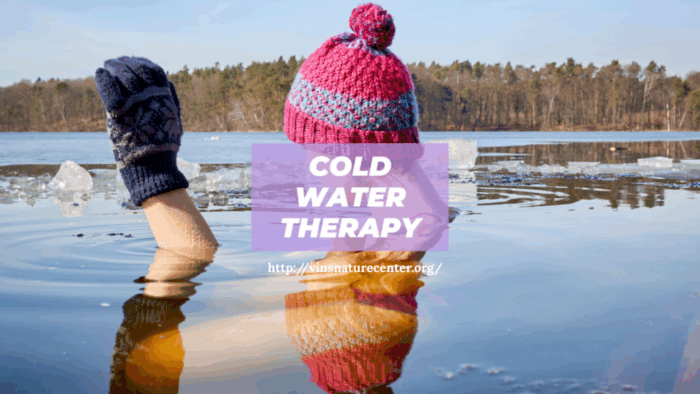
Recovery from addiction is about more than just avoiding substances—it’s about creating a new life filled with healthier habits, emotional resilience, and meaningful experiences. One unexpected but increasingly popular tool in the sobriety toolkit is cold water swimming. Plunging into rivers, lakes, or the sea may sound daunting, but for many in recovery, wild swimming offers a refreshing path to mental clarity, emotional healing, and personal transformation. It’s not just about the chill—it’s about breaking the ice between the mind, body, and spirit in the journey toward lasting sobriety.
The Science of Cold Water Therapy
Cold water immersion triggers a powerful physiological response. When you enter cold water, your body releases adrenaline and endorphins, providing an immediate natural high. This rush can mimic the pleasurable sensations often sought through substances—but without the harmful consequences. Over time, regular exposure to cold water helps reset the body’s stress response, reduce inflammation, and improve circulation. These physical changes can be especially healing for individuals recovering from the toll addiction takes on the body.
Additionally, cold water stimulates the production of dopamine, a neurotransmitter associated with motivation and reward. For people in recovery, whose dopamine systems are often imbalanced due to substance abuse, this natural boost can help rebalance the brain’s chemistry, promoting feelings of joy and accomplishment without the need for drugs or alcohol.
Building Mental Resilience
Addiction recovery demands courage, discipline, and the ability to face discomfort head-on—qualities that cold water swimming naturally develops. Stepping into icy water requires a mental commitment to push through the initial shock and stay calm in the face of physical stress. This practice of resilience teaches individuals to manage intense sensations without panic, a skill that directly translates to coping with cravings and emotional triggers in daily life.
Each swim becomes a metaphor for recovery itself: confronting fear, staying present in the moment, and emerging stronger on the other side.
Mindfulness and Stress Relief
Cold water swimming is also a powerful mindfulness practice. The cold forces swimmers to focus on their breathing, body sensations, and the environment, drawing attention away from intrusive thoughts or anxieties. This immersion in the present moment helps calm the mind, reduce rumination, and lower stress levels—benefits that are vital for maintaining sobriety.
Being outdoors, surrounded by nature, adds to the therapeutic effect. Natural environments have been shown to reduce cortisol, the primary stress hormone, and enhance feelings of well-being. For many in recovery, swimming in open water provides a rare sense of peace and connection that fosters emotional healing.
Community and Shared Experience
Cold water swimming often involves a community of like-minded individuals who support and encourage one another. Joining a group of swimmers can create a sense of belonging, reducing the isolation that often accompanies addiction. These shared experiences build camaraderie and accountability, both of which are critical for long-term sobriety.
Conclusion
Cold water swimming is more than just a physical challenge—it’s a transformative practice that supports sobriety on multiple levels. By helping individuals build resilience, find mindfulness, and experience natural joy, wild swimming offers a refreshing and empowering path to recovery. For those ready to break the ice and embrace change, the cold water holds the promise of clarity, healing, and renewal.
