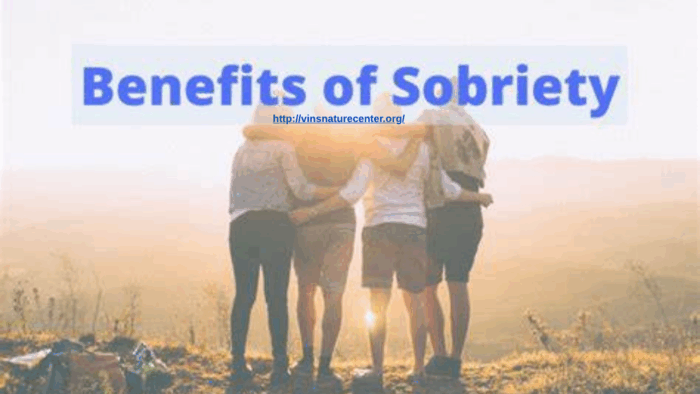
Recovery from addiction is not just about abstaining from substances—it’s about healing the mind, body, and spirit. Among the many natural tools that support this holistic process, sunlight plays a surprisingly powerful role. Often overlooked, exposure to natural light helps regulate essential biological functions, enhances mood, and supports mental health—all critical elements in the journey toward sobriety. By understanding the connection between sunlight, vitamin D, and the body’s natural rhythms, individuals in recovery can tap into a simple but effective way to reinforce their path to wellness.
Vitamin D: The Sunshine Nutrient
Vitamin D, often referred to as the “sunshine vitamin,” is synthesized in the skin when exposed to sunlight. This nutrient plays a vital role in brain function, mood regulation, and immune system health. For people recovering from addiction, these benefits are especially important. Substance use often depletes the body’s nutrient stores, and vitamin D deficiency is common among those with histories of alcohol or drug abuse.
Research has linked low levels of vitamin D to increased risks of depression and anxiety—two emotional states that frequently accompany addiction and withdrawal. By getting regular, safe exposure to sunlight, individuals can naturally increase their vitamin D levels, which may help stabilize mood and reduce the emotional turbulence that often leads to relapse.
The Role of Circadian Rhythms in Recovery
Sunlight doesn’t just help the body produce vitamin D—it also regulates circadian rhythms, the body’s internal clock that governs sleep, hormones, and overall daily function. Addiction can severely disrupt these rhythms, leading to irregular sleep patterns, hormonal imbalances, and heightened stress levels. These imbalances not only affect physical health but also exacerbate cravings and emotional instability.
Exposure to morning sunlight helps reset the circadian clock, improving sleep quality and boosting daytime alertness. Better sleep leads to better emotional regulation, cognitive clarity, and resilience—all crucial for maintaining sobriety. A consistent sleep-wake cycle also supports regular routines, which help structure the often chaotic aftermath of substance abuse.
Sunlight as a Natural Antidepressant
Many people in recovery experience periods of sadness, apathy, or anxiety, particularly in early sobriety. Sunlight has a natural antidepressant effect, helping to stimulate the release of serotonin, a neurotransmitter that contributes to feelings of happiness and well-being. Increased serotonin levels can improve mood and reduce the psychological stress that often leads to relapse.
Sunlight exposure also encourages people to spend time outdoors, which adds additional recovery benefits. Being in nature, even briefly, reduces stress, promotes mindfulness, and helps individuals feel more connected to the world around them. Outdoor activities like walking, gardening, or simply sitting in the sun provide moments of peace and clarity that support emotional healing.
Conclusion
Sunlight may be a free and abundant resource, but its impact on addiction recovery is profound. By supporting vitamin D production, regulating circadian rhythms, and enhancing mood, sunlight becomes a powerful ally in sobriety. Embracing natural light as part of a recovery lifestyle helps restore balance to both body and mind. For those seeking lasting healing, stepping into the sun each day is more than just a routine—it’s a renewal of life, hope, and the light within.
